Sparsentan Is Superior to Losartan in the gddY Mouse Model 1 of IgA Nephropathy
Nephrology Dialysis Transplantation – 2024
IgA nephropathy is the most common primary glomerulonephritis worldwide and a leading cause of kidney failure.2 Up to 40% of patients develop kidney failure within 20 years of diagnosis resulting in a reduced life expectancy.1 There is a need for new therapies to treat IgA nephropathy.1
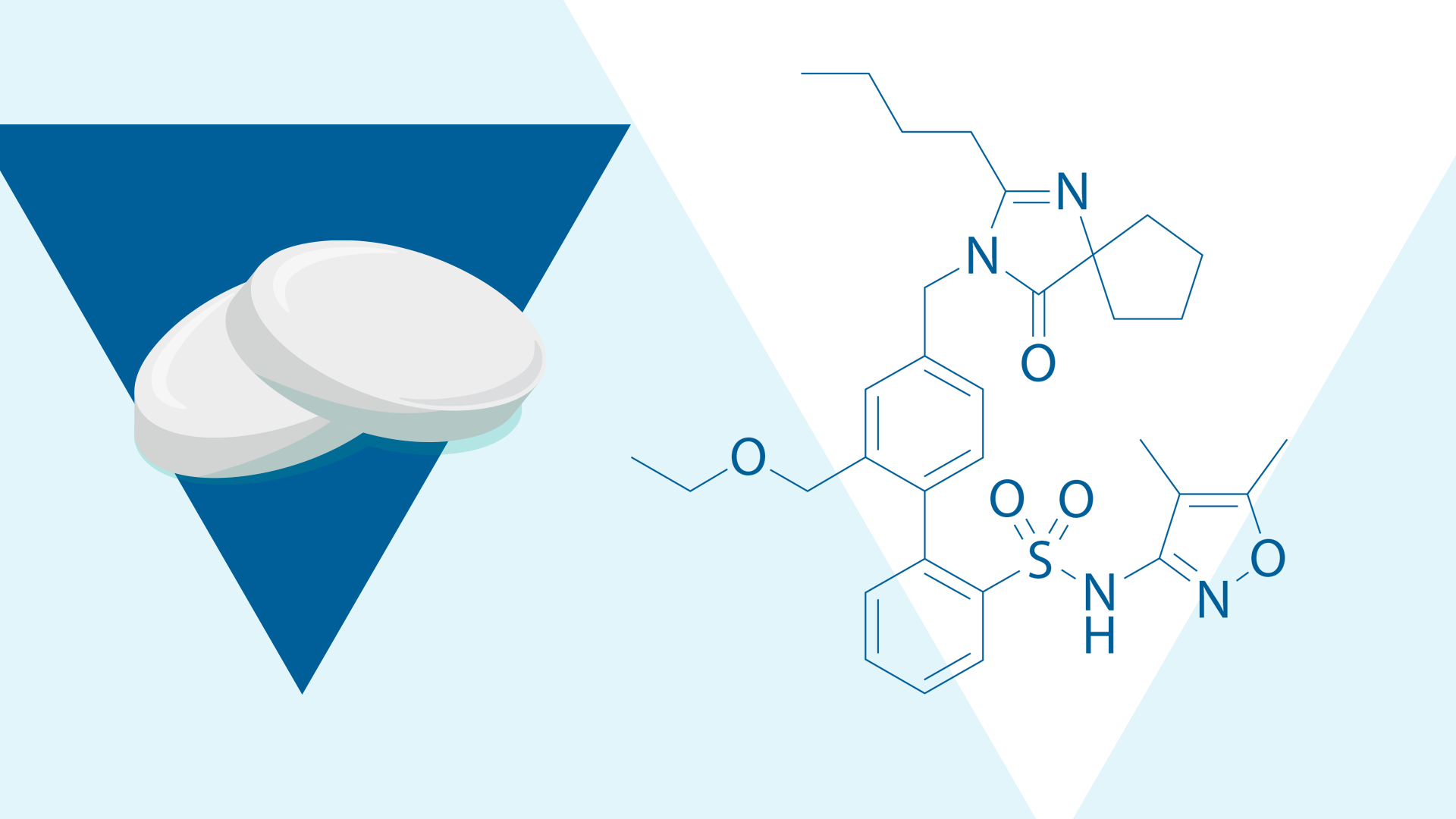
Sparsentan is a non-immunosuppressive, single-molecule, Dual Endothelin Angiotensin Receptor Antagonist (DEARA).3
While the nephroprotection potential of sparsentan has been demonstrated in the PROTECT study, research on the mechanism of nephroprotection in IgA nephropathy is still needed.1
IgA nephropathy is thought to occur in a few steps4:
The objective of this animal study was to assess how sparsentan affects gene expression in glomerular pathways in IgA nephropathy.1
Engineered immune complexes (EIC) were formed in vitro and confirmed by an immune-complex assay.1 The formed EIC were intravenously injected into the mice.1 The mice were divided into four groups1:
On Day 12, half of a kidney was excised from the mice.1 RNA was extracted from the kidneys and analyzed with RNA-Seq.1
Gene expression changes in the EIC mouse models and the effect of sparsentan in preventing or ameliorating EIC-induced profiles were evaluated at the single-gene level and at the network level.1
In an IgA nephropathy mouse model, sparsentan protected against EIC-induced glomerular proliferation.1
Compared to mice who only received PBS, EIC injections increased glomerular cellularity.1 Sparsentan prevented EIC-induced pathological changes as well as EIC-induced increase in actively proliferating mesangial cells.1
Sparsentan also improved EIC-activated proinflammatory genes and pathways.1
The most significant pathways identified were1:
Expression of genes in these pathways increased with EIC injections, while sparsentan decreased gene expression.1
Mice injected with EIC exhibited changes in protein kinases and transcription factors compared to mice that received EIC and sparsentan.1
Sparsentan-treated mice resulted in regulation of downstream hub genes that control mesangial proliferation.1 Some of these genes were mitogen-activated protein (MAP) kinases, known to control cellular proliferation.1
There is overlap between EIC-dysregulated and sparsentan-responsive genes in mice, and dysregulated genes often found in patients with IgA nephropathy.1
Most of the overlapping genes play a role in immune function and inflammation including components of the complement pathway.1
This IgA nephropathy mouse model demonstrated that sparsentan targets immune and inflammatory processes, which ultimately protects from mesangial hypercellularity.1 This multi-target approach may underlie the beneficial effects of sparsentan observed in patients with IgA nephropathy.1
Related Content
DEARA, dual endothelin angiotensin receptor antagonist; EIC, engineered immune complex; Gd-IgA1, galactose-deficient IgA1; IgA, immunoglobulin A; IgG, immunoglobulin G; IV, intravenous; MAP, mitogen-activated protein; PBS, phosphate-buffered saline.
MA-SP-24-0085 | September 2024